Dental treatments
with basal implants
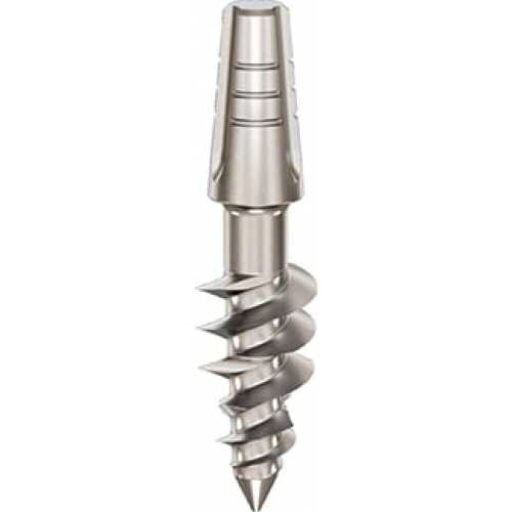
Basal dental implants are the best solution for the treatment of missing teeth, edentulism, with severe bone loss, bone atrophy, as well as the treatment of gum disease, periodontitis, and the effects of bruxism, teeth grinding.
And for smokers and patients who suffer from diabetes basal implants are the best solution to replace missing teeth.

Basal dental implants are one-piece titanium implants that achieve stability by anchoring into cortical bone. Cortical bone is the hard, dense outer layer of the jaw. It does not disappear after tooth loss. This is the fundamental difference between basal implants and conventional implants. Conventional implants are placed in cancellous bone, the softer spongy bone that resorbs within 12 to 18 months of losing teeth. When that bone is gone, conventional implants cannot be placed without bone grafting. Basal implants bypass that problem entirely by going deeper, into bone that stays. The result is a full dental restoration in 3 to 5 days, with no bone graft, no sinus lift, and no months of waiting.
Basal Implants for Cortical Anchorage
What does it mean for an implant to be anchored in the cortical bone, and why does that matter for me?
The jaw has two types of bone. Cancellous bone, also called spongious or trabecular bone, is the softer interior layer. Cortical bone is the hard outer shell. When you lose teeth, the cancellous bone in the jaw gradually resorbs. Over time it disappears. The cortical bone remains.
Pure basal implants are designed to bypass the cancellous bone and fix directly into the cortical layer. The implant tip engages one or more cortical plates. In some positions, the implant reaches a second cortical structure, creating what implantologists call bicortical or multicortical anchorage. This delivers immediate mechanical stability that does not depend on the soft bone between the cortical layers.
This is why basal implants can be immediately loaded. The stability is mechanical from day one, not dependent on biological healing processes that take months. Patients receive a fixed bridge within 5 days of implantation.
To understand the difference between cortical bone and cancellous bone, and why it matters for implant stability, see our bone type pages.
The Difference Between Basal and Compressive Implants
Are compressive implants the same as basal implants? Which one do I need?
Basal and compressive implants are closely related but not identical. Both are one-piece titanium implants. Both allow immediate loading. The difference is in how they achieve primary stability.
Pure basal implants anchor into cortical bone where little or no cancellous bone remains. This is bone type D1 and D2. The implant tip engages the hard cortical plate directly. There is no reliance on soft bone compression. This approach is used in zones where bone atrophy is most severe. Examples of basal dental implants for pure cortical anchorage: BasalFix Basal and Ihde Dental BCS.
Compressive implants work differently. Examples of compressive dental implants: BasalFix Compressive, Ihde Dental KOS ROOT. Their body is slightly wider than the surgical channel. On insertion, they compress the cancellous bone laterally. The bone types are D3 and D4. This friction-based compression creates immediate stability. Compressive implants are the right choice when healthy cancellous bone is still present. They are less surgically aggressive than pure basal implants.
A third category, hybrid implants like the BasalFix Compressive-Fix and the Ihde Dental TPG Uno, combine both mechanisms. The body compresses the cancellous bone. The tip reaches the cortical layer. This gives two sources of stability at once, which is useful in transition zones where bone quality varies.
In dental practice, experienced basal implantologists use all three approaches in the same patient, selecting the implant type zone by zone according to the bone that is actually present. That is how a complex full restoration with severe bone loss can be completed safely in 5 days.
Pure Basal Implants
What types of implants are specifically designed for pure cortical anchorage?
Not all one-piece immediate-loading implants are purely basal. The classification depends on the primary anchorage mechanism.
Pure Basal Implants For Cortical Anchorage
Ihde Dental BCS is the clearest example of a purely basal implant. BCS stands for Basal Cortical Screw. The system is designed specifically to engage cortical bone. It is used in zones where the cancellous bone has fully resorbed and only hard cortical bone remains. The BCS does not compress cancellous bone. It anchors into the cortical plate and, where anatomy allows, into a second cortical structure for bicortical support.
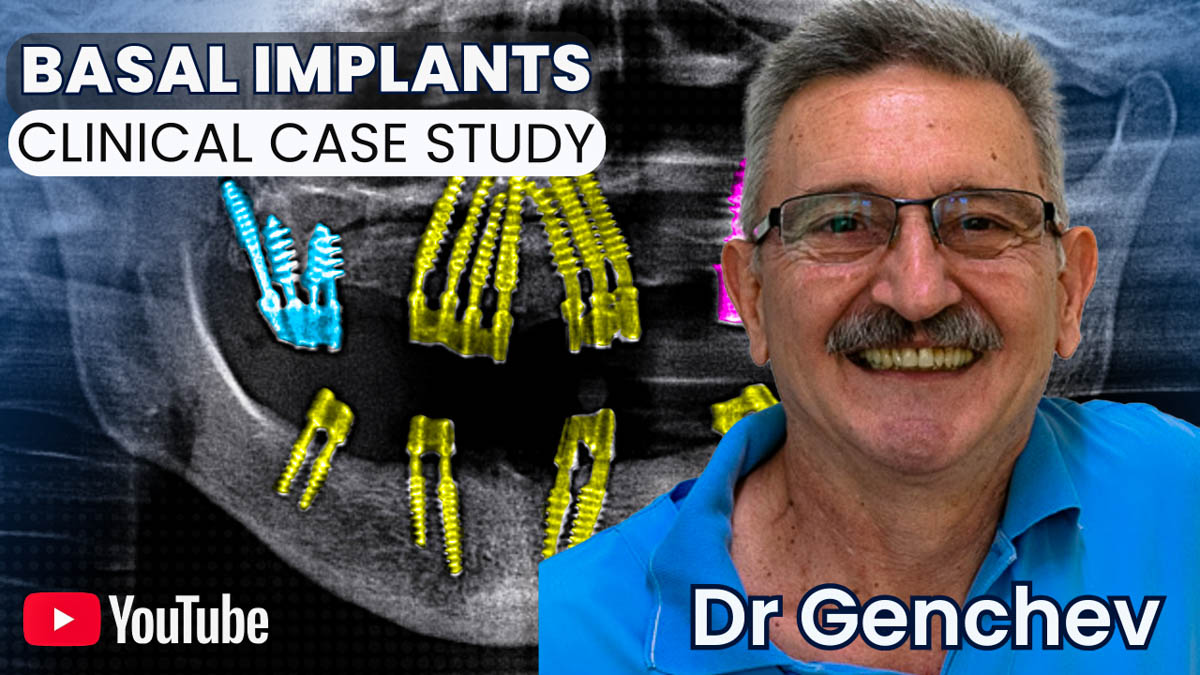
In Dr Genchev’s clinical case with Marie, a totally edentulous patient with severe bone atrophy, he placed four BCS implants in the right posterior maxilla. That zone had no cancellous bone left at all. The BCS implants anchored into the cortical bone of the vertical process of the palatine bone and into the pterygoid process of the sphenoid bone. Read the full clinical case study of Dr Genchev’s basal implant protocol for the complete technical detail.
BasalFix Basal is the equivalent in the BasalFix range. The BasalFix Basal implant engages the second cortical plate, bypassing soft bone entirely. It is indicated for all bone types and both jaws, including the most atrophied cases.
Compressive Implants with Optional Cortical Anchorage
Ihde Dental TPG Uno is primarily a compressive implant. Its triple-thread design compresses cancellous bone and seals the first cortical layer. The aggressive apical thread can also anchor into cortical bone when the anatomy allows. It is the right choice in zones where both cancellous and cortical bone are present together. In Marie’s case, Dr Genchev used TPG Uno implants in the left posterior maxilla where both bone types were available.
Ihde Dental KOS ROOT is a compression screw implant. Its primary mechanism is cancellous bone compression. In selected zones, the tip can also gain additional cortical anchorage, for example, into the nasal floor cortex in the anterior maxilla or into the mylohyoid line in the posterior mandible. But cortical anchorage is a secondary bonus, not the primary strategy.
BasalFix Compressive and BasalFix Compressive-Fix follow the same logic. The Compressive line compresses cancellous bone only. The Compressive-Fix combines cancellous compression with cortical tip engagement.
BasalFix TPI (Tubero-Pterygoid Implant) is a dentist implant for the posterior upper jaw. It anchors directly into the pterygoid process of the sphenoid bone, which is dense cortical bone at the base of the skull. It does not resorb. TPI implants bypass the maxillary sinus entirely without a sinus lift.
Anatomical Positions for Cortical Anchorage
Which parts of the jaw do basal implants actually reach into?
Basal implantology is built on a detailed knowledge of jaw anatomy. The key is that even in severely atrophied jaws, certain cortical structures remain intact. Experienced implantologists know exactly where to find them.
The Pterygoid Process
The pterygoid process is a bony projection descending from the sphenoid bone at the base of the skull, directly behind the maxillary tuberosity. It does not resorb after tooth loss because it is not part of the alveolar ridge. It is part of the skull. It is bone type D1. The medial plate of the pterygoid process is the primary cortical target for tubero-pterygoid implants. It allows the implantologist to place a distal implant in the posterior upper jaw and support full molar function, without sinus lift, without bone graft, and without zygomatic implants.
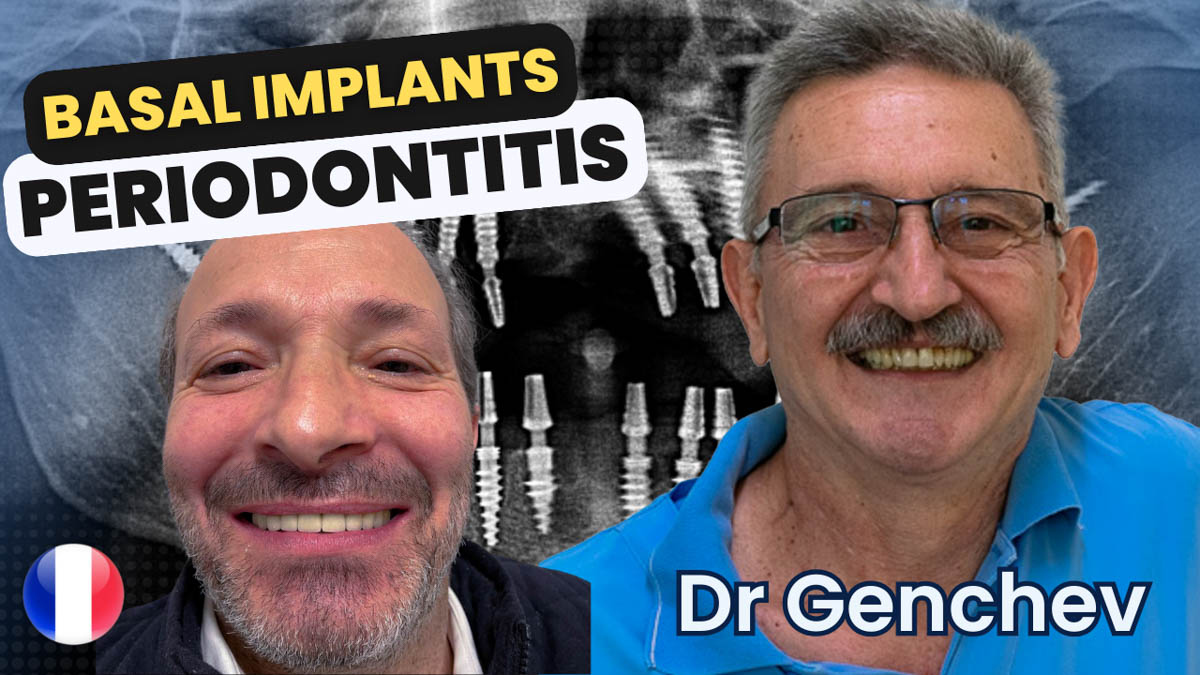
In Dr Genchev’s case treating Stefan, a French patient with advanced periodontitis, BCS implants were placed into the tubero-pterygoid process on the left side where no cancellous bone remained. TPG Uno implants were placed on the right side where some cancellous bone was still present alongside the cortical structure. The full case study of Stefan’s gum disease treatment explains exactly how Dr Genchev made those decisions.
The Mylohyoid Line
The mylohyoid line is a cortical ridge on the inner surface of the mandible. It runs obliquely from the molar zone toward the midline. It is also bone type D1. Unlike the alveolar ridge above it, the mylohyoid line stays densely mineralized even when significant bone loss has occurred. It is an important anchorage target in the posterior lower jaw.
When bone height in the posterior mandible is limited, placing a vertical implant risks impinging on the inferior alveolar nerve. Instead, a lingually inclined implant can be directed past the nerve canal, with its tip engaging the mylohyoid cortex. In Marie’s case, KOS ROOT implants in the posterior mandible were anchored into the mylohyoid line in exactly this way.
The Nasal Floor Cortex
The nasal floor cortex is the dense bony floor of the nasal cavity. It lies directly above the root zone of the upper incisors and canines. In the anterior maxilla, where bone width is often narrow and D3 bone is the norm, the nasal floor cortex provides a reliable secondary cortical anchor where the bone types are D2 and D1.
An implant placed with slight palatal inclination can compress the cancellous bone in the alveolar process while fixing its tip into the nasal floor cortex above. This two-point anchorage significantly improves primary stability in a zone where cancellous compression alone would be insufficient for immediate loading. In Marie’s case, seven KOS ROOT implants across the anterior maxilla used exactly this strategy.
The Anterior Mandible
The mandible is generally the most reliable implant foundation. The anterior zone between the two mental foramina contains D1 cortical bone, among the densest bone in the body. Even in patients with significant overall bone loss, the anterior mandible typically retains enough cortical structure for stable implant placement. This zone is where multiple implant systems perform well, from pure basal BCS to compressive KOS ROOT.
What are basal dental implants?
How are basal implants used by dentists?
The basal dental implant is a type of dental implant that has been specially designed for the full dental restoration of patients who are edentulous, have missing teeth, with significant bone loss, also called bone atrophy.
Basal implants are longer compared to traditional conventional implants. They are fixed into the hard cortical bone that is not subject to resorption with tooth loss. It avoids additional procedures such as sinus lift and bone grafting.
Basal implantology is defined by fixing one-piece dental implants in the cortical bone. It is in contrast to conventional implantology that uses 3 piece dental implants that are placed into the spongy cancellous bone. Cortical bone is deeper and harder than spongy cancellous bone.
Cortical bone does not recede with tooth loss. Cortical bone gives the basal dental implant greater stability. Basal implants are a better solution for patients who have missing teeth because the cortical bone does not recede. On the contrary, spongy cancellous bone resorbs completely after the loss of teeth within 18 months


Before and After Basal Dental Implants
Basal dental implants are the best solution for the full mouth dental restoration of patients with missing teeth and severe bone loss.
The advantages of basal dental implants
What are the advantages of basal implants for full mouth dental restoration?
Basal implants are longer compared to traditional conventional implants. They are fixed into the hard cortical bone that is not subject to resorption with tooth loss. It avoids additional procedures such as sinus lift and bone grafting.
Success rate for basal dental implants
What is the success rate for basal implantations?
Basal dental implants have a higher success rate than traditional conventional implants. Basal implants are fixed into the cortical bone that is hard and not prone to resorbtion. They are more reliable than conventional implants that are placed in the soft gums that can recede. Basal dental implants are unlikely to be rejected like traditional implants.

NO Bone Graft
No bone graft needed because it often fails for edentulous patients with severe bone loss.

NO Zygomatic implants
No need for zygomatic implants that increase the risk of complications.

NO Sinus Lift
Sinus lift can cause chronic sinusitis. Basal implants avoid the need for lifting the sinuses.
The disadvantages of traditional dental implants
What are the problems associated with conventional dental implants?
Traditional dental implants are short and are placed in the spongy bone that disappears after tooth loss. This is a problem for treating missing teeth with bone atrophy or cases of severe periodontal disease. To compensate for this shortcoming conventional implant dentists recommend bone grafting and sinus lift. Because basal implants are longer and are fixed into the cortical bone they avoid this problem and the need for these additional procedures.
The risks of All on 4 and All on 6
What are the issues linked to the All on 4 system for dental restoration?
All on 4 is not a good solution for patients who suffer from edentulism, missing teeth, with severe bone loss. The All on 4 dental restoration system does not restore the complete functionality of the jaws. It does not provide a replacement for the molars at the back of the jaws to enable normal mastication.
And whilst zygomatic implants are classified as basal implants because they are fixed into the cortical zygoma bone, they are not used by basal implant dentists. Basal implantologists prefer to avoid passing through the sinuses and use as an alternative pterygoid dental implants that are positioned behind the sinuses.
Basal implantology offers a complete solution for dental restoration of oth jaws. Pterygoid dental implants are fixed behind the sinuses to recreate the natural functionality of the mouth and normal mastication with the molar teeth.
The alternatives to dental implants
What are the alternatives to dental implants for the treatment of missing teeth, bone loss and gum disease?
There are no satisfactory long-term solutions that are better than basal implants for the full dental restoration of both jaws. The only alternative is to fit removable bridges that are maintained with dental glue.
Comparison Basal Vs. Traditional Dental Implants
Traditional conventional implants are too short to be used on edentulous patients with significant bone loss. To use a conventional dental implant with severe bone loss requires a bone graft or a bone compensation or a sinus lift.
These additional procedures cost time and money. In conventional dental implantology, they are necessary to create sufficient bone material to place the conventional implant. Even though, most of the time, the bone graft or bio-bone is reabsorbed by the body within a few months and disappears. It often doesn’t harden and remains as a powder or jelly in the bone. This is not a good basis for screwing in the conventional dental implant.
Basal Implants

Long implants
In hard cortical bone
10+8 dental implants
Traditional Implants

Short implants
In soft spongious bone
Only 4+4 implants
Price for full mouth dental restoration with basal dental implants
What is the cost for a dental treatment with basal implants?
The cost of a full mouth dental restoration with basal dental implant depends on the dentist and the treatment plan. For a quote, please contact one of our dentists.
Medical Review & Editorial Integrity
Reviewed by Dr. Genchev, Master of Basal Dental implantology.
This content adheres to the Editorial Guidelines of The Basal Dental Implant Association. To ensure clinical accuracy, this page has been reviewed for medical integrity regarding basal implantology procedures, dental restoration protocol, and safety standards.
Last Updated: 31-01-2026
The History of Basal Dental Implants
In 1972 Dr. Jean-Marc Julliet from France developed the first theory of a one-piece dental implant that could be fixed in the cortical bone.
Later in 1970’s, Dino Garbaccio from Italy, first introduced the concept of screw bicorticalism and its practical application in dental implantology. It was the effective start of basal implantology.
By the 1980’s Stefano Tramonte from Italy further developed the technology for basal implantation with immediate-load basal dental implants. To this day Silvano Tramonte, the son of Stefano Tramonte, continues to teach basal implantology to dentists in Italy.
In the mid 1980’s Dr. Gerard Scortecci from Nice in France developed the technology of disk implants that are inserted laterally in the jawbone.
By the 1990’s Dr. Prem Nanda trained the first basal implant dentists in India. And Dr Verendra Kumar developed a new line of basal dental implants called Monoimplant that is used worldwide.
Around 2005 Dr Stefan Ihde launched a new brand of basal dental implants Biomed. He has since trained many dentists in basal implantology in Eastern Europe especially in Bulgaria, Romania and Serbia.
By 2015 new brands of basal dental implants have emerged and improved the technology of cortical basal implants such as BasalFix and ROOTT. Each brand of immediate loading basal dental implants offers similar sizes with some small variants. Many implantologists prefer to use a wider range of basal implants and different brands depending on the needs of each patient.
Dentist? Do you practice basal implantology?
Become a member of the Association of Basal Implant Dentists
We will make you a free profile and include you in our international directory of basal implant dentists.

International Brands for Basal Dental Implants
All basal dental implants are made from titanium. It is the metal that is best accepted by the human body. It is the same metal used for artificial hip and knee joints. There are few, if any, allergic reactions to titanium. The quality for these different brands of basal implants is on par. Many sizes and designs are standard across brands. Some brands offer improved designs and greater variety of sizes that are preferred by some implant dentists. Many dentists use a broad range of basal dental implants from different brands to meet the needs of their patients.
Monoimplant
Tramonte
Garbaccio
Ihde Dental Biomed
NSI
BasalFix
ROOTT
Are you a producer of basal dental implants?
List your implants on the site of the Association of Basal Implant Dentists
You can present your implants to our international directory of basal implant dentists.
Results for full dental restoration with basal implants
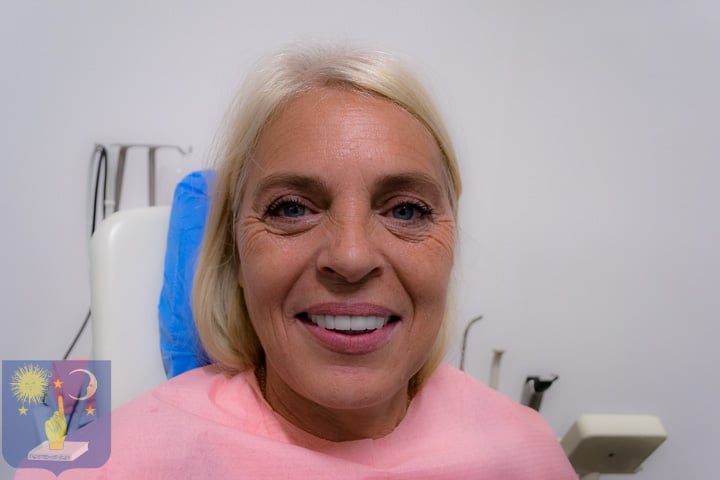
Testimonials of dental patients
Video testimonials of patients who have done a full mouth dental restoration with a basal implants.
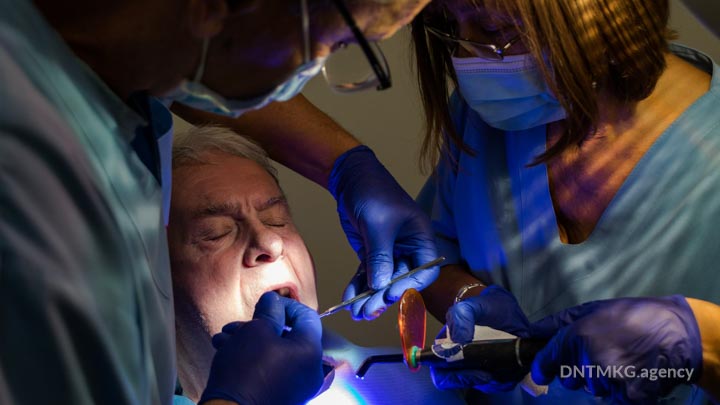
Photo of basal implantations
Results for dental implantation basal implants to treat edentulism, periodontal disease and bruxism.
Basal implants before after
See photos before and after a full dental restoration with basal implants.
Ask Dr George
Basal Implant Dentist
Dr George is an AI basal implant dentist that answers all your questions on basal implants, and the dental restoration process.
Click a question to register and talk to Dr George.
Reviews for Dental Implantations with Basal Implants
the result 5 stars
I have no problem giving the result 5 stars, but I’ll explain my point of view anyway 😅… First of all, what you need to know (and what I didn’t realize) is that, unlike treatments evaluated in France and Switzerland (respectively envron 3x and 4x more expensive 😳), here we don’t fit crowns tooth by tooth, but a “mega” bridge for the top and another for the bottom. This explains the price and the incredibly short treatment time. Advantages:
– Everything in one go
– As everything is connected, nothing moves (when a tooth moves, there’s a risk of infection (this was my case 3 weeks before…)).
– The prosthetist has a simpler job of “making” everything fit together (I think).
– The cost
– Treatment time
– No tooth-by-tooth adjustment required Disadvantages :
– may look less natural than when done tooth by tooth
– Impression of having a pair of flip-flops instead of teeth 😅
– If there’s a problem on an implant or root, you’re going to have to cut off a piece of it, and that may not be as easy as blowing up a single crown (but obviously I don’t know about that).
– No tooth-by-tooth adjustment (also seen as an advantage in terms of treatment complexity). In my opinion, it’s all or nothing 😅. Either it “fits” or it’s the me… But hey, these guys aren’t exactly new at this either…
great professionalism
3 years ago, Dr George restored both my jaws.
The result was impeccable, I personally had very little pain, I didn’t even have to take the painkillers they gave me.
It took me a few months to get used to chewing and speaking with my new teeth, but I adapted very quickly without needing any outside help.
I went back 1 year later for a free check-up and was welcomed like the first time, as a friend but also with great professionalism.
Today, after 3 years, everything is still impeccable.
I’m very happy and nothing has changed
Dr George immediately put me at ease and reassured me, not to mention the extraordinary help of Julien who was available at all times. A good experience despite the distance, but as far as the care is concerned I’m very happy and nothing has changed, everything is perfect.
Case Studies For Basal Dental Implants
-
Basal Implants for Edentulism and Bone Atrophy
Clinical case study of Dr Genchev’s basal implant protocol for total edentulism and severe bone atrophy
-
Basal Implants for Gum Disease
Dr. Genchev placed 25 basal dental implants, two permanent metal-ceramic bridges, and recreated Marc’s smile when he was a younger man, in one single 5-day visit in Plovdiv Bulgaria.
-
Dr Genchev Lower Jaw Restoration
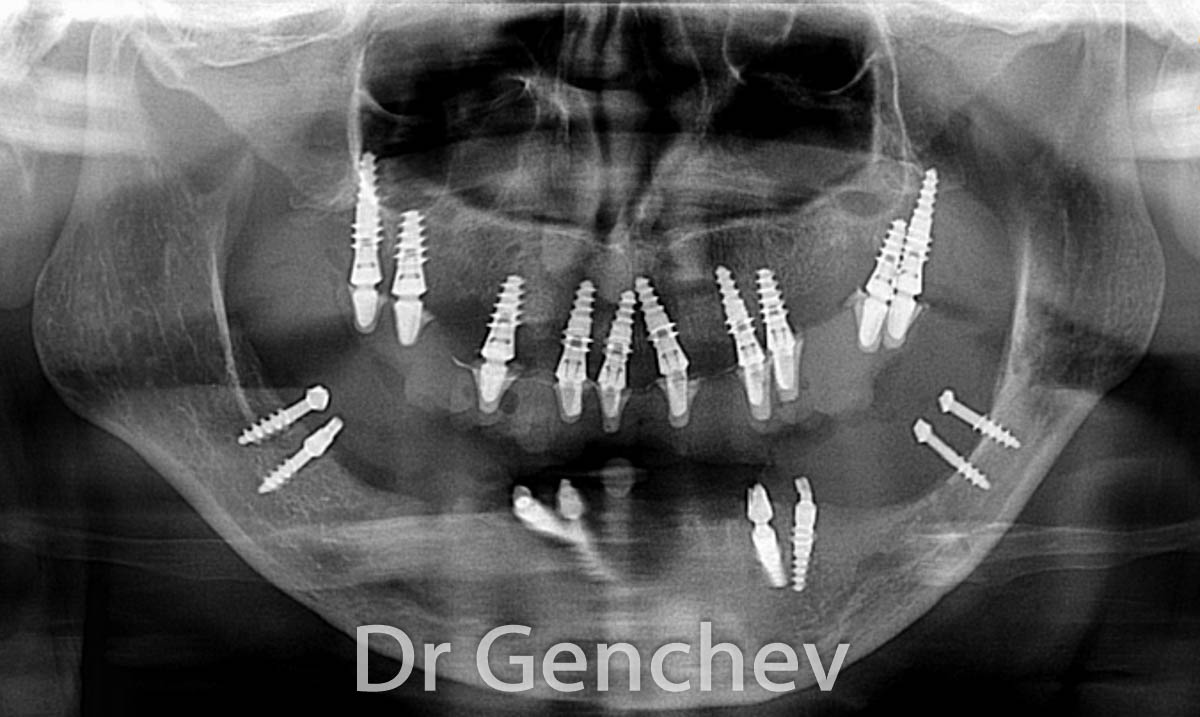
Dr. Genchev transformed Aline’s life in just 5 days with basal implants, completing the lower jaw restoration that another basal implant dentist had declared too difficult.
-
Failed All-on-6 Saved with Basal Implants
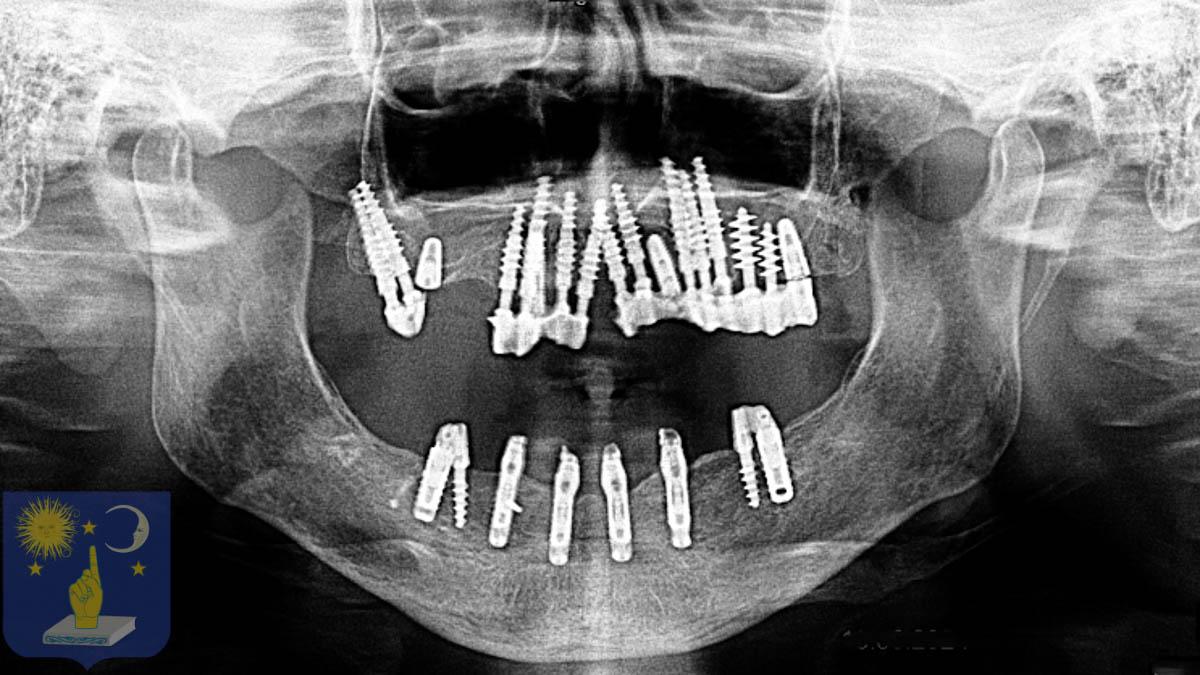
Dr Genchev saved Françoise after she suffered a failed All-on-6 procedure. Full dental restoration with basal dental implants in 5 days treating prognathism for €9,990.
-
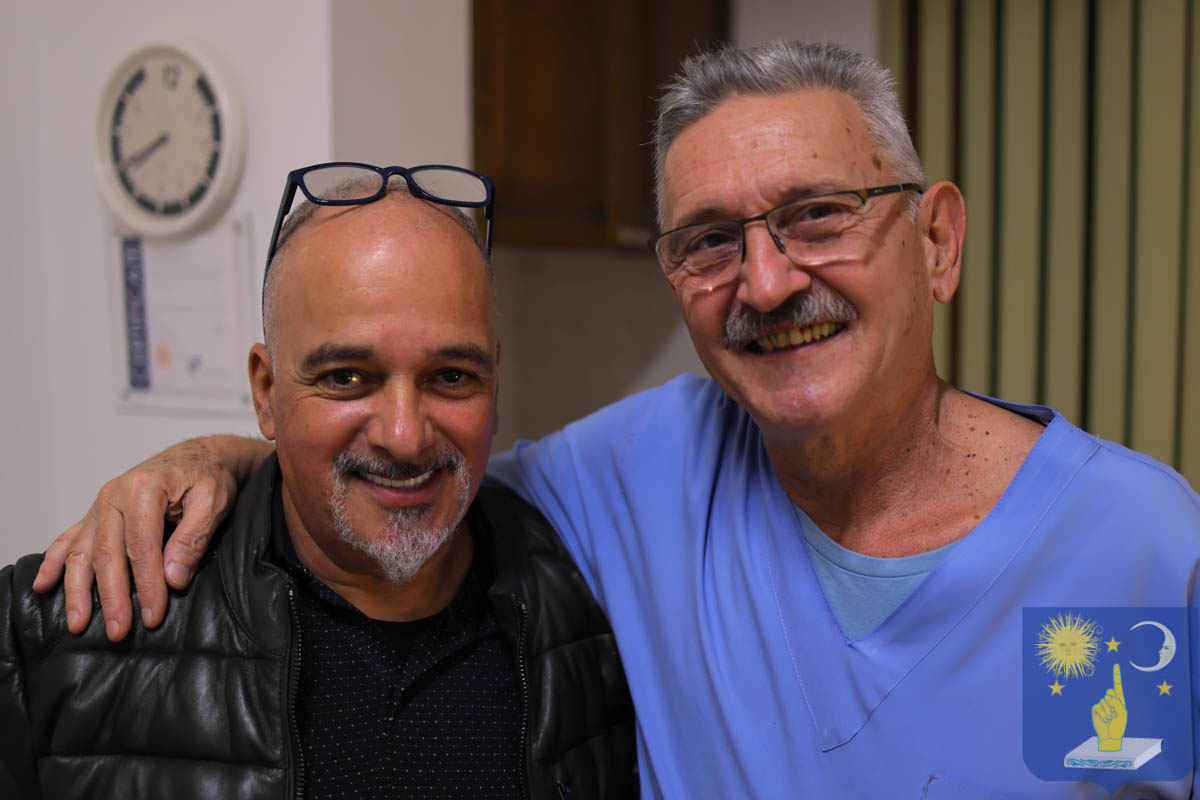
Dr Genchev Bone Atrophy Treatment with Basal Implants
Dr Genchev in Bulgaria successfully rehabilitates with basal implants Paul’s maxillary who suffered from severe bone atrophy and had experienced 3 failed bone grafts. Full dental restoration in 5 days for €6,500. Real case study showing why basal implants succeed where conventional implants fail.
-
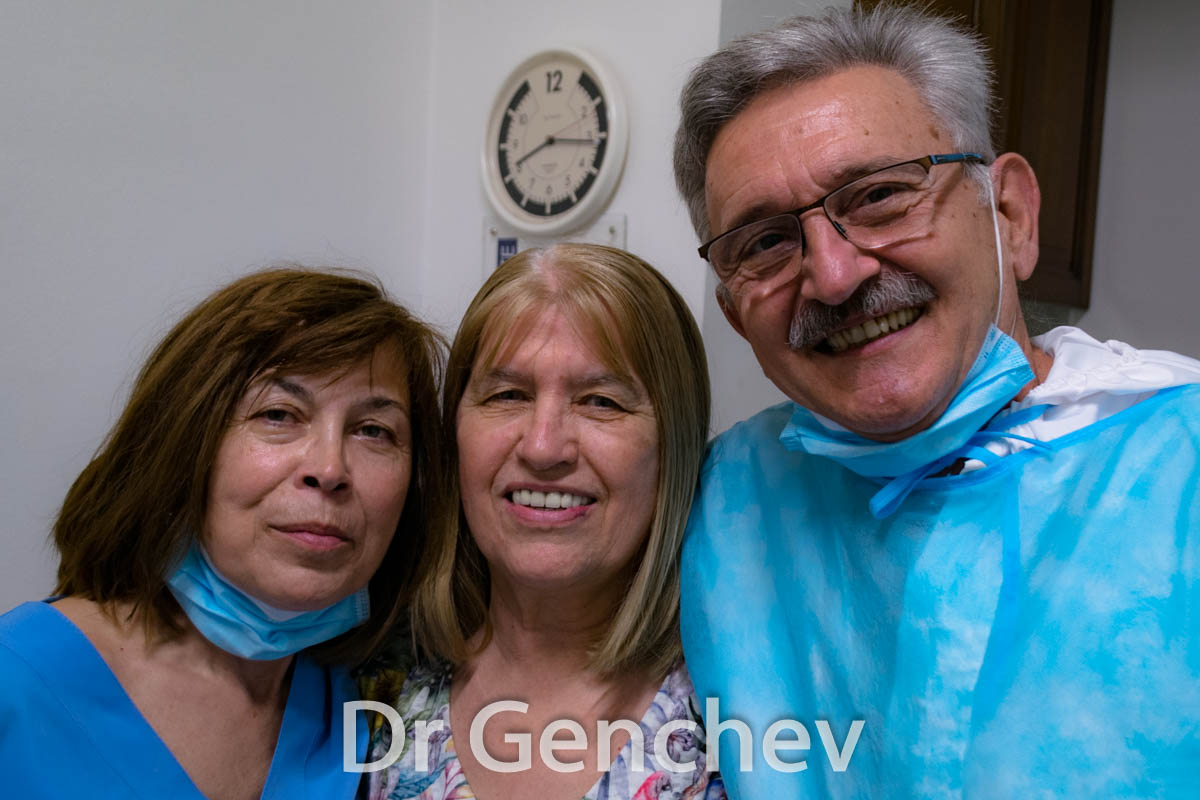
Dr Genchev Dental Restoration for Gum Disease
Dr. Genchev transformed Véronique’s life in just 5 days with basal implants, restoring her ability to eat without pain and giving her back a confident smile.
-
Dental restoration for missing teeth and bone atrophy with basal implants
Dr Genchev completed the full mouth dental restoration for this patient who suffered from edentulism with severe bone atrophy in 1 visit of 5 days. The price for the full dental restoration was 8990 Euro.

All this information is provided solely as educational content. It is not medical advice. Our aim is to clarify the terminology and concepts relating to implantology and dental restoration with basal dental implants. For professional dental advice please consult multiple qualified implant dentists and compare their answers.