What is the process for placing basal dental implants?
The basal implant procedure restores your complete smile in just 3-5 days with NO bone grafting and NO sinus lift. The implant dentist places 8-12 longer implants directly into the hard cortical bone of your jaw, providing immediate stability for a full dental bridge. This single-visit approach eliminates months of waiting and multiple surgeries, allowing you to return to eating normally and smiling within one week.

Basal Dental Implant Fixation
How are basal dental implants inserted into the jaw bone?
Basal dental implants are one-piece titanium screws that the implant dentist fixes directly into the cortical bone of your jaw. The procedure begins with the implant dentist drilling a small, precise hole into the jawbone. Then the basal implant is screwed deeper into the bone until it reaches the hard cortical layer. This deeper placement provides exceptional stability because cortical bone is dense and resistant to resorption, unlike the soft cancellous bone used for conventional implants.
The unique design of basal implants allows the implant dentist to angle them strategically to avoid anatomical structures and maximize bone contact. Some implants may be slightly bent to align perfectly with the dental bridge. This flexibility in placement enables full dental restoration even in cases of severe bone loss where conventional implants would fail without extensive bone grafting.
No bone graft
Basal implants eliminate the need for bone grafting because they anchor in the cortical bone that remains intact even after severe bone loss. Conventional implants require bone grafting when the soft cancellous bone has resorbed, adding 4-6 months to treatment and significant cost. With basal implants, you avoid this entirely because the longer implant length reaches past the resorbed areas directly into stable bone.
No Sinus lift
The implant dentist avoids sinus lift procedures by using tubero-pterygoid implants positioned behind your sinuses rather than underneath them. This strategic placement eliminates the risk of sinus membrane perforation and chronic sinusitis that can occur with conventional sinus lift procedures. You get full restoration of your back teeth without disturbing your sinus cavity.
No zygomatic implants
Basal implantology avoids zygomatic implants that pass through the sinuses to anchor in the cheekbone. Instead, pterygoid implants are placed behind the sinuses in the pterygoid bone at the back of your jaw. This approach eliminates the elevated risk of sinus infections and complications associated with zygomatic implants while providing excellent support for your back molar teeth.
Tooth Extraction Options
Does the dentist extract all the teeth?
The implant dentist evaluates each tooth individually to determine which should be extracted and which can be preserved. Unstable teeth weakened by gum disease or decay are removed during the first day of treatment. Healthy, stable teeth may be kept and filed down to support the dental bridge alongside the basal implants. This individualized approach maximizes the use of your remaining healthy teeth while removing problematic ones that could compromise your restoration.
Caries Treatment
Does the dentist treat caries?
If the implant dentist decides to preserve a healthy tooth, any cavities are removed by filing the tooth down to prepare it for the bridge. The dental cement used to secure the bridge acts as a filler underneath, eliminating the need for separate cavity treatment. However, severely decayed teeth are typically extracted rather than treated because they provide insufficient support for the long-term stability of your dental restoration.
Gum Disease Treatment
Does the dentist treat periodontal disease before the implantation?
Basal implants can be placed even with active gum disease because they anchor in the cortical bone unaffected by periodontal inflammation. The implant dentist removes the diseased teeth causing infection and replaces them with basal implants fixed deeper in healthy bone. Once the full bridge is placed, it stabilizes all remaining teeth and implants together, preventing further loosening and helping the gums heal from the inflammation.
Bone Loss Compensation
How does the dentist compensate for the bone loss?
The implant dentist compensates for bone loss by using longer basal implants that reach deep into the cortical bone layer. This hard bone exists below the soft cancellous bone that has resorbed after tooth loss. The cortical bone provides excellent stability because it does not disappear with tooth loss or gum disease. Additionally, tubero-pterygoid implants placed behind the sinuses recreate the full arch of teeth, restoring normal jaw height and chewing function without any bone augmentation procedures.
Number of Basal implants
How many implants does the dentist place on each jaw?
The implant dentist typically places 10-12 basal implants on the upper jaw and 8-10 implants on the lower jaw for complete dental restoration. This higher number compared to conventional All-on-4 systems provides superior stability and distributes chewing forces more evenly. The exact number depends on your bone structure, the amount of bone loss, and whether healthy teeth are preserved to support the bridge.
Types of implants used
What types and brands of implants does the dentist use?
Experienced basal implant dentists use a combination of implant types from multiple manufacturers to achieve optimal results. They select from various lengths and widths and designs to match your specific jaw anatomy and bone structure. This flexible approach allows the dentist to customize your treatment rather than forcing a one-size-fits-all protocol.
Basal Implant Manufacturers
What are the best basal dental implants?
The top basal implant manufacturers include Trate ROOTT, Monoimplants, Basalfix, IhdeDental, and Tramonte. All basal implants are made from high-grade titanium alloy, ensuring consistent quality across brands. Some experienced dentists prefer using multiple brands because each manufacturer offers slightly different sizes and designs that can be advantageous for specific patient situations.
Basal and Compressive implants
What are basal implants?
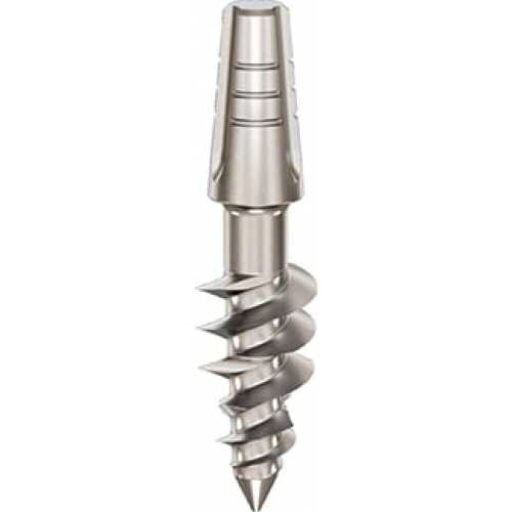
Basal implants are one-piece dental implants longer than conventional implants, designed to be fixed into the cortical bone of your jaw. They are called “basal” because they engage the basal (deeper) bone layers rather than the alveolar bone that holds tooth roots. Their one-piece design and smooth surface in the gum area reduce the risk of infection and make them suitable for immediate loading with a dental bridge.
Tubero-pterygoid implants
What are tubero-pterygoid implants?
Tubero-pterygoid implants are specialized longer basal implants placed behind your sinuses in the pterygoid bone at the back of your upper jaw. These implants require advanced technique and experience to place correctly. They enable support for your back molar teeth and avoid the need for sinus lift procedures. Pterygoid implants are essential for recreating full chewing function and are the best solution for patients with severe upper jaw bone loss.
Basal Dental Implant specifications
What is special about basal implants?
Basal implants differ from conventional implants in several key ways. They come in a broad range of lengths, widths and design. They have a one-piece design rather than a three-part screw and abutment component like conventional implants. They feature a smooth surface in the transmucosal region to reduce bacterial accumulation. Their unique thread design allows them to engage cortical bone effectively and provides immediate stability for loading with a dental bridge.
Materials of the implants
What are basal dental implants made of?
Basal dental implants are manufactured from high-grade titanium alloy, the same biocompatible material used for artificial hip and knee joints. Titanium integrates naturally with bone tissue and rarely causes allergic reactions. The quality and purity of titanium used in basal implants meet strict medical device standards, ensuring long-term safety and durability inside your jaw.
Design and characteristics of basal implants
What is the difference between basal and conventional implants from a design perspective?
Basal implants feature a one-piece design where the implant and abutment are manufactured as a single unit, while conventional implants use separate components assembled over multiple visits. The smooth surface of basal implants in the gum region reduces bacterial colonization and lowers the risk of peri-implantitis. Their longer length and specialized thread pattern allow them to engage the dense cortical bone for superior stability, especially in patients with bone loss.
Dental bridges and crowns
What are my options for the new teeth?
Your new teeth consist of a full dental bridge custom-made to fit your implants and facial structure. The bridge is a single connected unit of 12-14 crowns that fits over all the implants and any preserved teeth, creating a stable, permanent restoration. You can choose from several dental crown materials depending on your budget, aesthetic preferences, and functional requirements.
Number of crowns
How many teeth will I have?
You receive a complete set of 12-14 crowns on each jaw, recreating all your natural teeth from front incisors to back molars. This full arch restoration enables you to chew normally with your back teeth, unlike the All-on-4 system that often provides only 10 crowns and limited molar support. Having the full complement of teeth restores both function and aesthetics, giving you a complete, natural-looking smile.
Dental crown material
What are my options for the type of crowns?
Depending on the dentist you might have a choice of three types of dental crowns: PFM metal-ceramic, zirconia and composite.
PFM, metal-ceramic
PFM (Porcelain Fused to Metal) metal-ceramic crowns offer excellent aesthetics with a natural-looking ceramic overlay on a strong metal base. They provide the best balance of strength, durability, and cost-effectiveness for basal implant bridges. They are good option for patients with a limited budget or who suffer from bruxism.
Zirconia
Zirconia crowns offer superior aesthetics with a completely white material that allows light transmission similar to natural teeth. They are usually metal-free. However, zirconia can chip under the extreme pressure of teeth grinding. They are a good solution if you have a bigger budget.
Composite
Composite crowns are made from resin-based materials. These crowns are lighter than ceramic and zirconia. They are a good option if you suffer from poor bone density and cannot support the weight of a ceramic or zirconia bridge.
Pain Management
Is it painful?
The basal implant procedure involves minimal pain due to effective anesthesia during placement and prescribed painkillers for the recovery period. Most patients experience the most discomfort during the first 12-24 hours after implantation, with pain gradually subsiding over the following week. The pain level is comparable to having several teeth extracted, which is manageable with proper medication.
Anesthesia
What type of anesthesia is available?
The implant dentist uses local anesthesia to numb the treatment area completely during implant placement. You remain awake and aware but feel no pain during the procedure. Some dentists also offer anxiolytics (anti-anxiety medication) before treatment to help nervous patients feel more relaxed. Full general anesthesia is available in some clinics but is rarely necessary because the procedure is well-tolerated with local anesthesia alone.
Pain killers
How do I manage the pain?
The implant dentist prescribes painkillers to take after the procedure, typically a combination of anti-inflammatory medication and stronger analgesics for the first few days. Taking the medication as directed prevents pain from becoming severe. Most patients find that over-the-counter painkillers are sufficient after the initial 24-48 hours. Applying ice packs to your face during the first day also helps reduce swelling and discomfort.
Medication
What is the risk of infection?
The risk of infection with basal implants is low because the one-piece design eliminates gaps where bacteria can accumulate, and the smooth surface in the gum area resists bacterial colonization. The implant dentist minimizes infection risk through strict sterile technique during placement and by prescribing antibiotics to protect you during the critical healing period.
Antibiotics
Why do I need to take antibiotics?
Antibiotics prevent infection during the initial healing phase when your mouth is most vulnerable. You typically take antibiotics starting the day before implantation and continuing for 5-7 days afterward. This protective course of medication significantly reduces the already low risk of post-operative infection, ensuring your implants heal properly and integrate successfully with the bone.
Treatment Time
How long is the treatment?
The complete basal implant procedure takes just 3 to 5 days from initial implantation to final bridge placement. The actual surgery on the first day takes 3-5 hours depending on the complexity of your case and the number of implants being placed and the experience of the dentist. You receive temporary teeth immediately after surgery and return for your permanent bridge on the fifth day.
Medical Review & Editorial Integrity
Reviewed by Dr. Genchev, Master of Basal Dental implantology.
This content adheres to the Editorial Guidelines of The Basal Dental Implant Association. To ensure clinical accuracy, this page has been reviewed for medical integrity regarding basal implantology procedures, dental restoration protocol, and safety standards.
Last Updated: 31-01-2026
All this information is provided solely as educational content. It is not medical advice. Our aim is to clarify the terminology and concepts relating to implantology and dental restoration with basal dental implants. For professional dental advice please consult multiple qualified implant dentists and compare their answers.