Do I need bone grafting before getting dental implants?
Bone grafting is a common procedure required before conventional dental implant placement when you have insufficient jawbone volume. While bone grafts can rebuild bone, they add months to your treatment timeline, significantly increase costs, and carry risks of failure and complications. Basal dental implants offer a superior alternative by anchoring directly into your hard cortical bone, eliminating the need for bone grafting entirely. You can get new teeth in just 3-5 days without expensive grafting procedures.
Bone Grafting for Conventional Implantology
What is bone grafting and why is it necessary for conventional dental implants?
Bone grafting is a surgical procedure that rebuilds or augments your jawbone to create sufficient volume for conventional dental implant placement. When you lose teeth, the soft cancellous bone that held your tooth roots begins to resorb within weeks. Over 18 months, this bone disappears completely, leaving insufficient support for short conventional implants. Conventional implant dentists must perform bone grafting to artificially recreate the missing bone before they can place implants.
The bone graft material can come from several sources: human bone, animal bone, or synthetic materials. The implant dentist places this material into the deficient area of your jaw where it should gradually integrate with your existing bone over 4-6 months. However, studies show that 20-30% of bone grafts fail to integrate properly, especially in patients with severe bone loss, leaving the material as loose particles rather than solid bone.
Bone Grafting Procedures
What are the different types of bone grafting procedures to prepare for dental implants?
Several bone grafting techniques exist depending on the extent and location of your bone loss. For a full dental restoration of one or two jaws a ridge augmentation is applied to increase the width and height of the jawbone along the ridge where teeth are missing. Additionally, sinus lift grafting is practiced to add bone to the upper jaw beneath the sinus cavity when insufficient bone exists for implant placement in the back upper teeth area.
Risks of Bone Grafting
What are the risks associated with bone grafting?
Bone grafting carries significant complications that affect 15-25% of patients. Infection is the most common problem, occurring when bacteria contaminate the graft material during placement or the healing period. Infected grafts must be removed completely, requiring additional surgery and delaying your implant treatment by months. Graft failure happens in 20-30% of cases when the material fails to integrate with your existing bone, leaving you back where you started after months of healing and substantial expense.
Nerve damage can occur during graft placement or when harvesting bone from your own body, causing numbness, tingling, or chronic pain. Sinus lift complications involve chronic sinusitis. Prolonged swelling and pain continue for weeks after grafting increasing discomfort and recovery time.
Cost of Bone Grafting
What are the costs of bone grafting and how does it impact the cost of the implantation?
Bone grafting can increase the total cost of conventional implant treatment by at least 50% depending on the method used. These costs are in addition to the conventional implant fees, potentially doubling or tripling your total investment.
Most dental insurance plans classify bone grafting as elective and provide minimal or no coverage, leaving you responsible for the full cost. When you factor in multiple grafting procedures, healing time off work, medications, and potential complications requiring additional treatment, the true cost of the conventional implant approach with bone grafting can easily reach $15,000-$30,000 per jaw. Basal implants eliminate all grafting expenses while providing superior long-term results at a more predictable total cost.
Time Impact of Bone Grafting
How much time does bone grafting add to the implantation process?
Bone grafting extends your conventional implant treatment timeline by 6-12 months or more. After the initial graft placement, you must wait 4-6 months for the material to integrate with your existing bone before any implant placement can occur. If the graft fails or provides insufficient volume, a second grafting procedure adds another 4-6 months. Once the bone graft has healed successfully, conventional implants are placed and require an additional 3-6 months of healing before the final teeth can be attached. In contrast, basal implant treatment delivers your complete new teeth in just 3-5 days with a single surgical procedure and immediate loading.
Alternatives to Bone Grafting
What are the alternatives to bone grafting?
Several treatment options exist for patients who want to avoid bone grafting or who have had grafts fail. Understanding these alternatives helps you make informed decisions about your dental restoration. Each option has specific advantages and limitations depending on your individual bone loss situation and overall health.
Zygomatic Implants
Are zygomatic implants a better option than bone grafting?
Zygomatic implants are extremely long implants that bypass the maxillary bone by anchoring directly into your cheekbone (zygoma). While they avoid bone grafting in the upper jaw, zygomatic implants pass directly through your sinus cavity, creating a permanent pathway between your mouth and sinuses. This significantly increases your risk of chronic sinusitis, sinus infections, and long-term complications. Studies show higher complication rates with zygomatic implants compared to other approaches, and removal becomes extremely difficult if problems develop. The procedure is highly technical and only a limited number of dentists have the training to place zygomatic implants safely.
Sinus Lift
Is a Sinus Lift a better option than bone grafting?
A sinus lift is actually a type of bone grafting procedure specifically for the upper jaw. During a sinus lift, The implant dentist lifts the sinus membrane and fills the space beneath it with bone graft material. While this can create bone where none exists, it carries all the risks of standard bone grafting plus additional sinus-specific complications. The sinus membrane can tear during the procedure (occurring in 10-35% of cases), leading to graft failure and chronic sinus problems. Many patients develop recurring sinus infections that require ongoing treatment. The healing period extends 6-8 months before implants can be placed, and there is no guarantee the grafted bone will provide adequate long-term support.
Basal Dental Implants
How do basal dental implants avoid bone grafting?
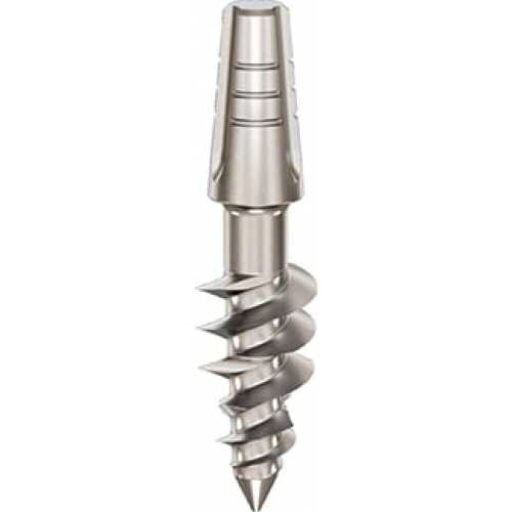
Basal dental implants eliminate the need for bone grafting by utilizing the hard cortical bone that exists deeper in your jaw. Unlike conventional implants that depend on the soft cancellous bone that resorbs after tooth loss, basal implants are longer and anchor into cortical bone that remains dense and strong. This cortical bone is unaffected by tooth loss and provides excellent stability without any augmentation.
Thus, you avoid months of healing, multiple surgeries, graft-related complications, and the substantial expenses associated with bone grafting. The full dental restoration can be completed in 3 to 5 days. And, the cortical bone anchorage provides superior long-term stability compared to conventional implants placed in grafted bone, with success rates of 95-98% even in patients with severe bone loss who would otherwise require extensive grafting procedures.
FAQ – Questions about Bone Grafting and Dental Implants
What is the difference between All-on-6 and basal implants?
All-on-6 is a full dental restoration solution that uses conventional implants. Six conventional implants are placed on the upper jaw and four implants on the lower jaw. A bridge of 10 crowns is placed on top of the implants. Conventional implants are shorter and fixed into the soft cancellous bone of the jaw. For patients who suffer from bone loss, conventional implants require a bone graft and sinus lift to treat patients with bone loss. Basal implants are generally longer and fixed into the hard cortical bone. They avoid the need for bone grafting, sinus lift and zygomatic implants. Basal implants are a better solution for patients who suffer from advanced gum disease and missing teeth with severe bone atrophy.
What are the key differences between basal and conventional implants?
Basal implants are longer compared to traditional conventional implants. They are fixed into the hard cortical bone that is not subject to resorption with tooth loss. Basal dental implants have a higher success rate than traditional conventional implants. They offer faster treatment times, eliminate the need for bone grafting in many cases, and may be more cost-effective because the full dental restoration of both jaws is completed in 3 to 5 days.
Case Studies For Basal Dental Implants
without Bone Grafting
-
Dr Genchev Bone Atrophy Treatment with Basal Implants
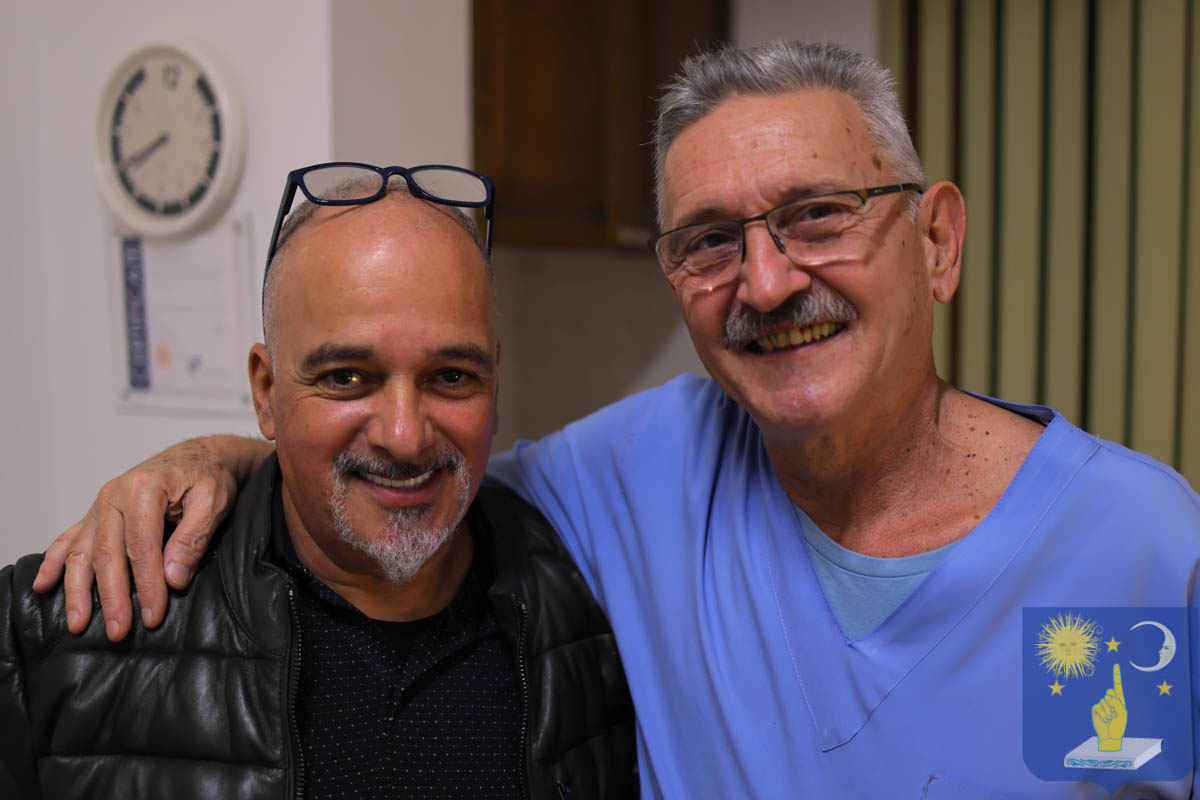
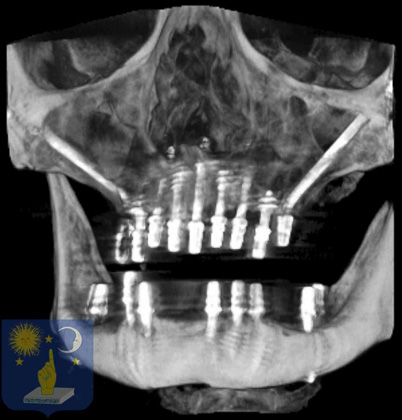
Dr Genchev in Bulgaria successfully rehabilitates with basal implants Paul’s maxillary who suffered from severe bone atrophy and had experienced 3 failed bone grafts. Full dental restoration in 5 days for €6,500. Real case study showing why basal implants succeed where conventional implants fail.