Is the basal implant procedure painful?
The basal implant procedure involves minimal pain due to effective local anesthesia during placement and prescribed painkillers for recovery. Most patients experience the greatest discomfort during the first 12-24 hours after implantation, with pain gradually subsiding over the following week. The pain level is comparable to having several teeth extracted and is manageable with proper medication. Basal implants actually cause less trauma than conventional implants with bone grafting, making them a more comfortable option for full dental restoration.

Pain During the Basal Implant Procedure
Will I feel pain during the implant placement?
You will not feel pain during the basal implant procedure because the implant dentist uses effective local anesthesia to completely numb the treatment area. You remain awake and aware throughout the procedure but experience no pain as the implants are placed. The anesthetic blocks all sensation in your jaw, allowing the dentist to work comfortably while you relax.
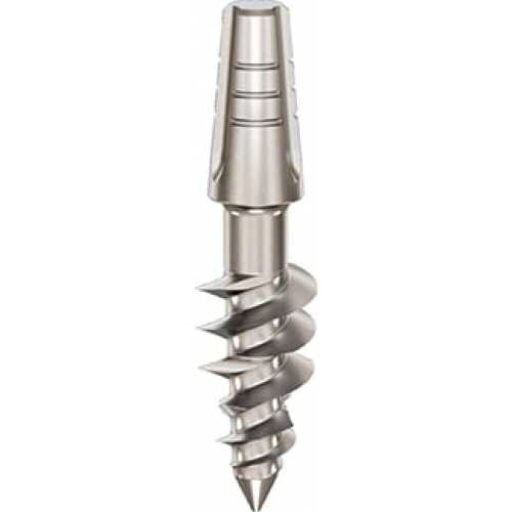
The actual implantation takes 3-5 hours depending on the complexity of your case. While you may feel some pressure or movement sensations, these are not painful. Many patients report being surprised at how comfortable the procedure is compared to their expectations. The thin, needle-like design of basal implants means they create minimal trauma to surrounding tissue during placement.
Local Anesthesia
What type of anesthesia do you use?
The implant dentist administers local anesthesia through injections that numb your jaw completely before beginning the procedure. This is the same type of anesthesia used for routine dental work, though multiple injection sites ensure complete numbness throughout your jaw. The anesthetic takes effect within minutes and lasts several hours, providing pain-free treatment.
Some dentists also offer anxiolytics (anti-anxiety medication) before the procedure to help nervous patients feel more relaxed. These medications calm your nerves without putting you to sleep, allowing you to remain responsive while feeling completely at ease. The combination of effective anesthesia and anxiety relief makes the procedure comfortable for even the most apprehensive patients.
General Anesthesia Option
Can I have full anesthesia instead of local?
Yes, full general anesthesia is available at some clinics for patients who prefer to be completely unconscious during the procedure. However, general anesthesia is rarely necessary because the local anesthesia is highly effective and the procedure is well-tolerated. Recovery without general anesthesia is typically faster and more comfortable, with fewer side effects like nausea or grogginess.
If you have severe dental anxiety or medical conditions that make general anesthesia preferable, discuss this option with your implant dentist during consultation. Keep in mind that general anesthesia adds cost and requires additional precautions, but it remains available for patients who need it for their peace of mind.
Pain After the Basal Implant Procedure
How much pain will I experience after the procedure?
Most patients experience moderate discomfort during the first 12-24 hours after basal implant placement, with pain gradually subsiding over the following days. The initial discomfort feels similar to having several teeth extracted and is most noticeable as the local anesthesia wears off. Your face may feel swollen and tender, and you may experience some throbbing or aching in your jaw.
By the second day, most patients report significant improvement in pain levels. By the end of the first week, the majority of discomfort has resolved. Some patients continue to experience mild sensitivity for several weeks as healing progresses, but this is manageable without strong painkillers. The pain timeline varies depending on individual factors like your pain tolerance, the number of implants placed, and how well you follow aftercare instructions.
Pain Medication Protocol
What painkillers will I need to take?
The implant dentist prescribes a combination of pain medications to manage your discomfort effectively. You typically receive anti-inflammatory medication to reduce swelling and moderate pain, along with stronger analgesics for the first few days when discomfort is most acute. Taking medications exactly as prescribed prevents pain from becoming severe and supports better healing.
Start taking pain medication before the local anesthesia wears off, even if you don’t feel pain yet. This proactive approach keeps you more comfortable as the numbness fades. Most patients find that over-the-counter painkillers like ibuprofen are sufficient after the initial 48 hours. Always take medications with food to avoid stomach upset, and never exceed the recommended dosage.
Managing Swelling and Discomfort
How can I reduce swelling after the procedure?
Apply ice packs to your face during the first 24 hours to minimize swelling and reduce discomfort. Use the ice for 20 minutes on, then 20 minutes off, repeating this cycle throughout the day. The cold constricts blood vessels, reducing inflammation and numbing the treatment area for additional pain relief.
Keep your head elevated when resting or sleeping for the first few nights. Use extra pillows to prop yourself up at a 45-degree angle, which helps reduce blood flow to the surgical area and minimizes swelling. Avoid lying completely flat, as this increases facial swelling and can make discomfort worse.
Pain Compared to Conventional Implants
Is basal implant pain less than conventional implants with bone grafting?
Yes, basal implants typically cause less overall pain than conventional implant treatment with bone grafting and sinus lift procedures. Conventional treatment requires multiple surgeries spread over months, with each procedure creating new trauma and pain. Bone graft harvesting, in particular, causes significant discomfort at both the harvest site and the implant site.
Basal implants complete your entire restoration in a single surgical session, meaning you experience one recovery period instead of three or more. The immediate loading with a dental bridge actually stabilizes the implants and reduces movement that could cause pain. Many patients report that the basal implant procedure was far less painful than they anticipated, especially compared to stories they heard about conventional implant experiences.
Pain Prevention Strategies
What can I do to minimize pain?
Follow your dentist’s pre-operative instructions carefully, including any medications prescribed to take before the procedure. Arrive well-rested and avoid alcohol for at least 48 hours before surgery, as both factors affect how your body responds to anesthesia and healing.
After the procedure, strict adherence to aftercare instructions prevents complications that could cause additional pain. Eat only soft foods for the first week to avoid putting pressure on the implants. Avoid hot foods and beverages, as these can increase inflammation and discomfort. Don’t smoke, as cigarette smoke irritates the healing tissue and significantly increases pain and complications.
Maintain excellent oral hygiene following your dentist’s specific instructions for cleaning around the new implants. Infections cause severe pain and can jeopardize your implants, so gentle cleaning with prescribed mouthwash is essential. Rest adequately during the first few days, avoiding strenuous activity that could increase blood pressure and cause bleeding or increased pain.
When to Contact Your Dentist
What pain symptoms should worry me?
Contact your implant dentist immediately if you experience severe pain that doesn’t respond to prescribed medication, as this may indicate infection or other complications. Sharp, shooting pains that radiate to other parts of your face or head, persistent throbbing that worsens instead of improving, or pain accompanied by fever, excessive swelling, or foul-smelling discharge all require immediate professional attention.
Some discomfort is normal and expected, but pain that prevents you from sleeping or eating, or that significantly worsens after the third day, should be evaluated. Your dentist can adjust your medication, check for complications, and provide additional treatment if needed. Don’t hesitate to call with concerns – managing pain promptly leads to better outcomes and faster healing.