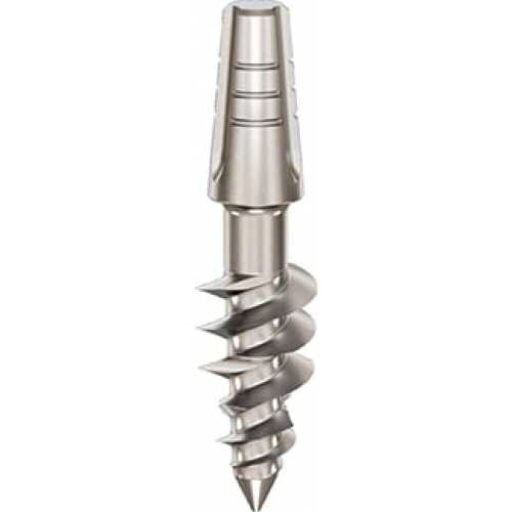
Bone type is one of the key diagnostic factors in dental implant treatment. It helps the implantologist understand how the jawbone may respond to drilling, implant insertion, compression, torque and loading.
The D1 to D4 classification describes the balance between dense cortical bone and softer trabecular bone:
- D1 bone: very dense cortical bone
- D2 bone: dense cortical bone with strong trabecular bone
- D3 bone: thinner cortical bone with softer trabecular bone
- D4 bone: very soft trabecular bone with limited cortical support
The classification is useful, but it is not a diagnosis by itself. The real treatment decision depends on CBCT findings, available bone volume, anatomical anchorage structures, implant design, prosthetic plan and the clinician’s tactile feedback during surgery.
Bone Location Overview
| Bone type | Common location | Important anatomical references |
|---|---|---|
| D1 | Anterior mandible | Mandibular symphysis, parasymphysis, interforaminal mandible, dense buccal and lingual cortical plates |
| D2 | Anterior mandible and many mandibular body areas | Mandibular body, premolar region, porous cortical bone, coarse trabecular bone |
| D3 | Anterior maxilla and some posterior mandibular sites | Premaxilla, anterior maxillary alveolar process, nasal floor cortex, palatal cortical plate |
| D4 | Posterior maxilla | Maxillary molar region, maxillary tuberosity, sinus floor, tubero-pterygoid junction, pterygoid process, vertical process of palatine bone |
Implant Selection by Bone Type
| Bone type | General implant strategy | Relevant implant examples |
|---|---|---|
| D1 | Avoid over-compression; use controlled cortical engagement | Ihde Dental BCS, BasalFix Basal, Monoimplant Smooth |
| D2 | Use standard or compressive protocols where cancellous bone is healthy | Ihde Dental KOS Root, TPG Uno, BasalFix Compressive, Monoimplant Smooth |
| D3 | Improve primary stability with controlled under-drilling, taper, deeper threads or cortical tip engagement | Ihde Dental KOS Root, TPG Uno, BasalFix Compressive-Fix, Monoimplant Rough |
| D4 | Do not rely on soft trabecular bone alone; consider strategic cortical or pterygoid anchorage | Ihde Dental BCS, TPG Uno, BasalFix TPI, BasalFix Basal, Monoimplant Rough, Monoimplant MOT |
Dr Genchev Clinical Case Study
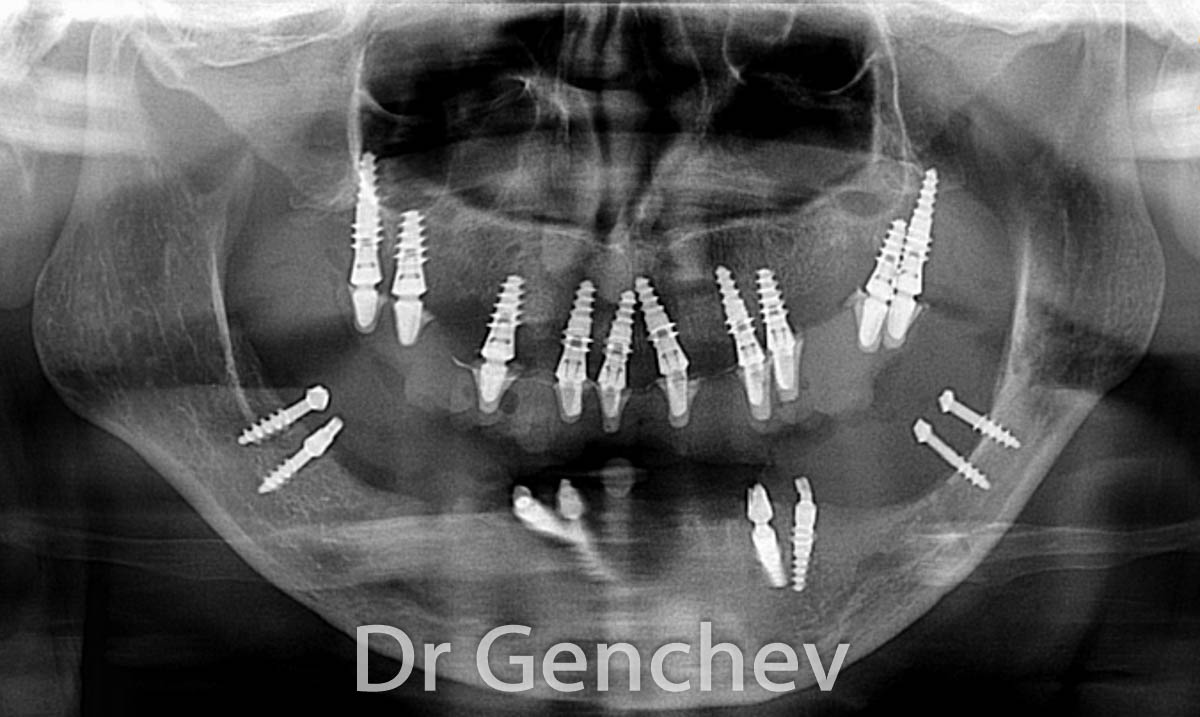
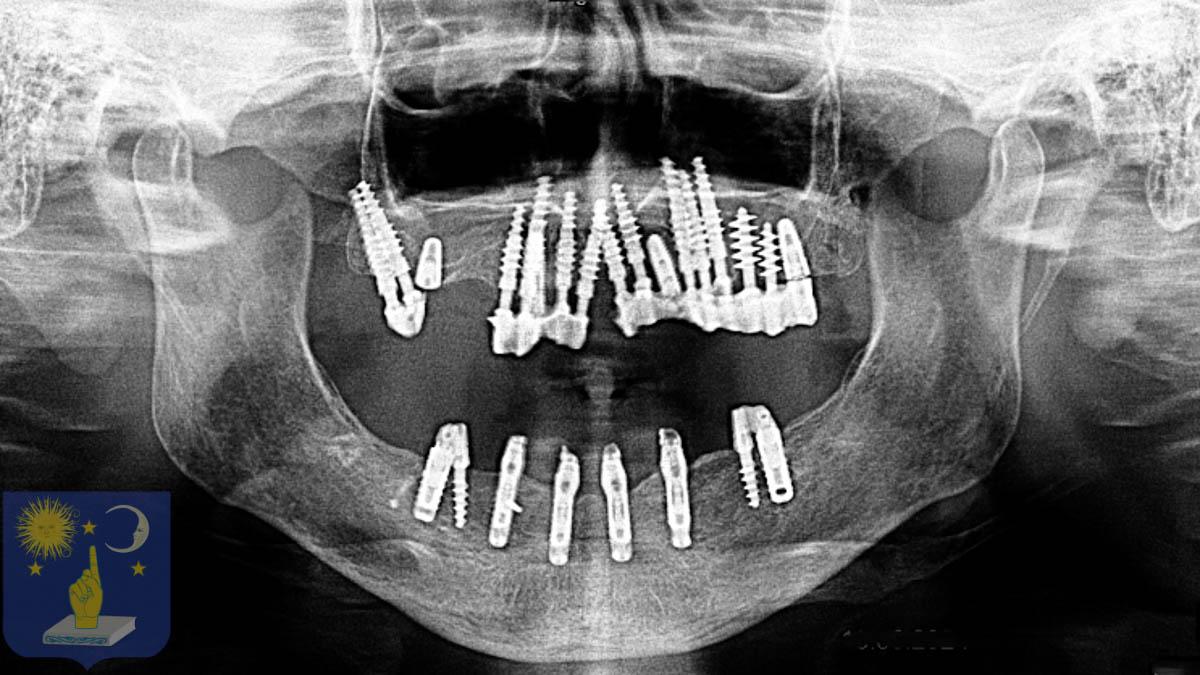
Dr Genchev’s full-mouth rehabilitation case shows why bone type must be evaluated zone by zone. In one patient, different parts of the jaws may require different implant designs and anchorage strategies.
In Marie’s case:
- Ihde Dental BCS implants were used where only hard cortical bone remained.
- Ihde Dental KOS Root implants were used where cancellous bone could be compressed.
- IhdeDental TPG Uno implants were used where both cancellous and cortical bone were available.
- Posterior maxillary anchorage used structures such as the tubero-pterygoid region, pterygoid process and vertical process of the palatine bone.
- Anterior maxillary anchorage used cancellous compression combined with the nasal floor cortex.
This makes the case useful as an educational example for all four bone types: D1 cortical anchorage, D2 favorable cancellous-cortical balance, D3 anterior maxillary compression with nasal floor support, and D4 posterior maxillary soft bone requiring strategic anchorage.
Medical Review & Editorial Integrity
Reviewed by Dr. Genchev, Master of Basal Dental implantology.
This content adheres to the Editorial Guidelines of The Basal Dental Implant Association. To ensure clinical accuracy, this page has been reviewed for medical integrity regarding anatomical structure and dental implantology procedures.
Last Updated: 02-08-2026
Case Studies For Bone Types in Implantology
-
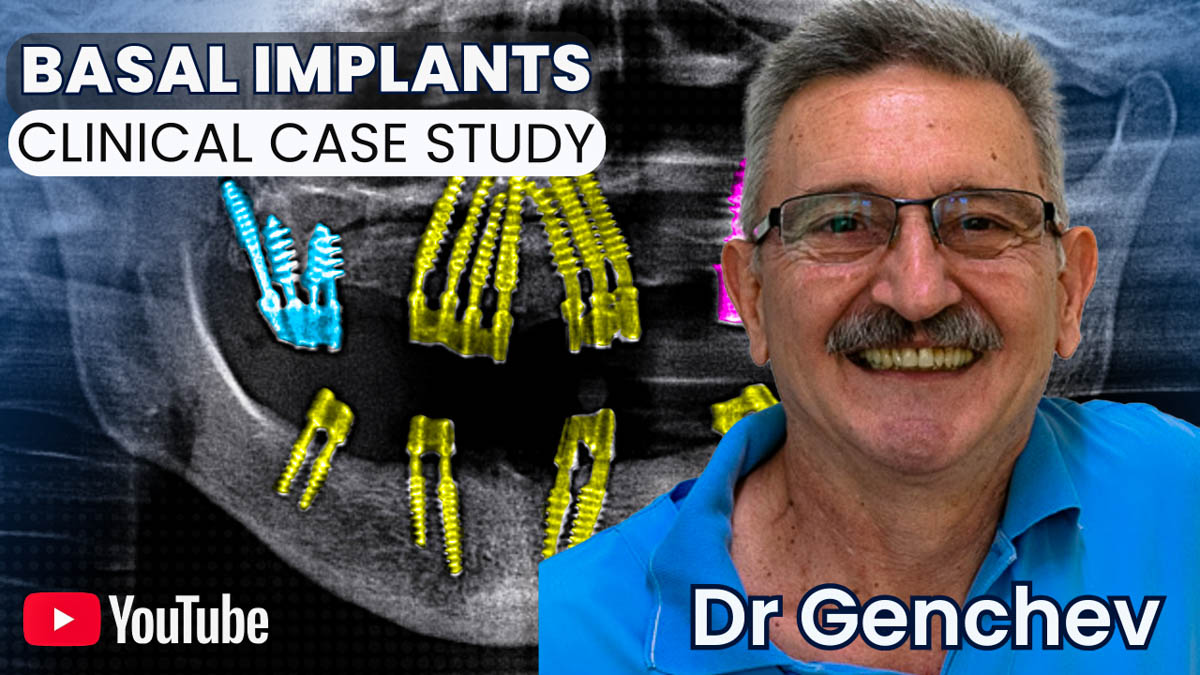
Basal Implants for Edentulism and Bone Atrophy
Clinical case study of Dr Genchev’s basal implant protocol for total edentulism and severe bone atrophy
-
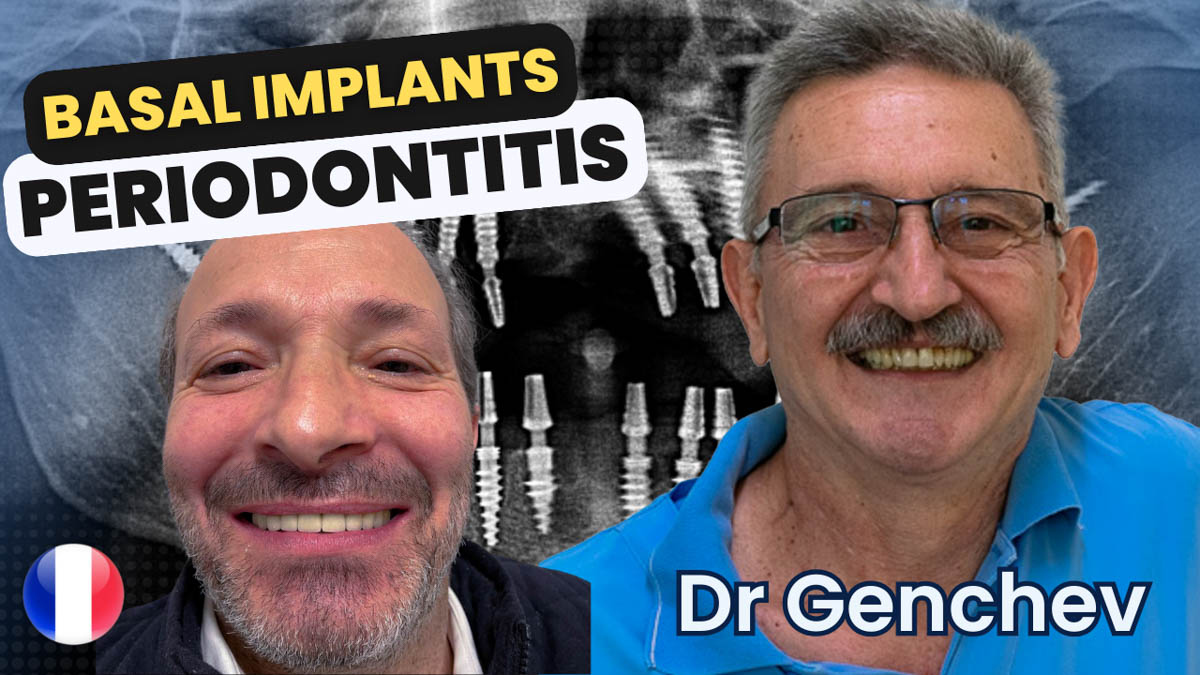
Basal Implants for Gum Disease
Dr. Genchev placed 25 basal dental implants, two permanent metal-ceramic bridges, and recreated Marc’s smile when he was a younger man, in one single 5-day visit in Plovdiv Bulgaria.
-
Dr Genchev Lower Jaw Restoration
Dr. Genchev transformed Aline’s life in just 5 days with basal implants, completing the lower jaw restoration that another basal implant dentist had declared too difficult.
-
Failed All-on-6 Saved with Basal Implants
Dr Genchev saved Françoise after she suffered a failed All-on-6 procedure. Full dental restoration with basal dental implants in 5 days treating prognathism for €9,990.
-
Dr Genchev Bone Atrophy Treatment with Basal Implants
Dr Genchev in Bulgaria successfully rehabilitates with basal implants Paul’s maxillary who suffered from severe bone atrophy and had experienced 3 failed bone grafts. Full dental restoration in 5 days for €6,500. Real case study showing why basal implants succeed where conventional implants fail.
-
Dr Genchev Dental Restoration for Gum Disease
Dr. Genchev transformed Véronique’s life in just 5 days with basal implants, restoring her ability to eat without pain and giving her back a confident smile.
-
Dental restoration for missing teeth and bone atrophy with basal implants
Dr Genchev completed the full mouth dental restoration for this patient who suffered from edentulism with severe bone atrophy in 1 visit of 5 days. The price for the full dental restoration was 8990 Euro.
